
You brush your teeth twice a day. You wash your face. You probably have some kind of skincare routine. But when was the last time you actually cleaned your eyelids?
For most people the honest answer is “never”. And for a lot of those people, it’s also the answer to why their eyes are always red, gritty, or irritated for reasons nobody has quite explained.
As optometrists, this is one of the conversations we have almost every week. Here’s why eyelid hygiene matters, what actually works, and the daily routine we teach our patients.

What’s Actually Happening On Your Eyelids
Your eyelids aren’t just skin. Along the lash line sit dozens of small oil glands called the meibomian glands. They produce the oil layer of your tear film. Each eyelash also has its own sebaceous gland at the base. Together, they create a thin, healthy film that keeps your eyes comfortable.
Left uncleaned, this area accumulates a mix of:
- Dead skin cells and debris
- Bacteria, most of them normal, some not
- Old makeup residue
- Environmental pollutants and pollen
- Demodex mites (yes, they’re real, and most adults have them)
When that buildup goes unchecked, a few things happen. The meibomian glands block up and stop producing proper oil. That’s MGD, the most common cause of evaporative dry eye. The lash line gets inflamed, which is blepharitis. Blocked glands sometimes become infected, which is a stye. And chronic low grade irritation quietly undermines your comfort without ever quite becoming an emergency.
The fix for most of this is genuinely simple. Clean your lids regularly. But “clean” here doesn’t mean a splash of water. It means the right product, in the right place, as part of an actual routine.
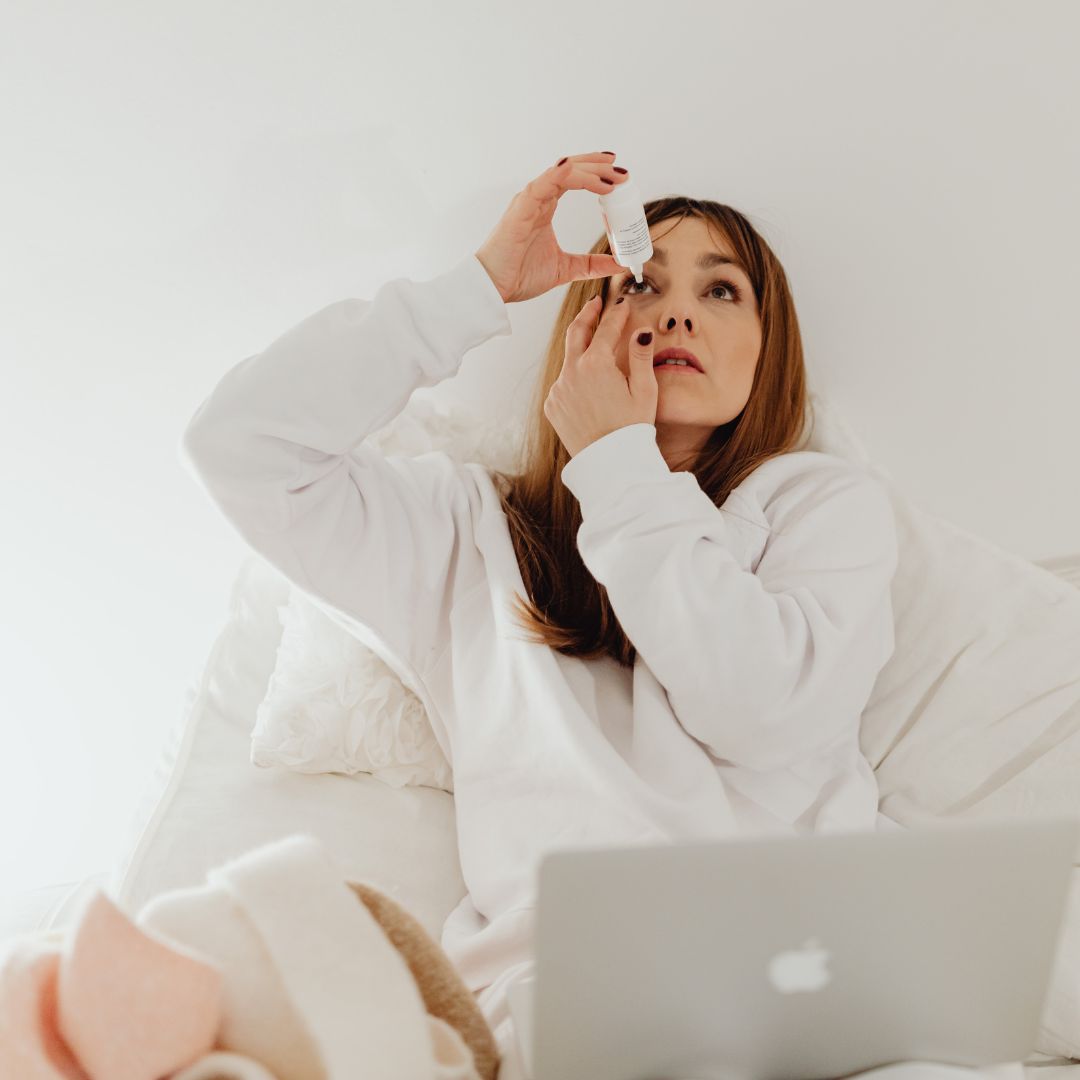
The Types Of Eyelid Cleansers (And What Each One Is For)
Not all lid cleansers do the same job. Here’s how they break down.
Foam Cleansers
A gentle foam you massage along the lash line and rinse off. Good for daily maintenance and general eyelid hygiene. Works well for people who like a “washing” action and want something familiar.
Pre Moistened Wipes
Individually wrapped sachets with the cleanser already on a wipe. Convenient, hygienic, and portable. Great for travel, or for anyone who wants the routine to take 30 seconds flat. You use one and throw it out.
Hypochlorous Acid Sprays
Antimicrobial sprays that kill bacteria on the eyelid surface without scrubbing. You spray it onto closed lids, let it dry, done. Gentle enough for sensitive skin and especially useful for blepharitis management or post surgical eyelid care.
Demodex Specific Cleansers
These contain 4 Terpineol (derived from tea tree oil) which targets demodex mites specifically. Regular tea tree oil is too harsh for eyelid skin. Only use products made for this purpose. If your optometrist has flagged demodex as part of your lid problem, this is the category you need.
Manuka Honey Products
Medical grade manuka honey has antibacterial properties and soothes inflamed skin. Eyelid creams using it can help settle stubborn, inflamed lids, especially applied overnight.
The Daily Routine We Teach Our Patients
Eyelid hygiene is one of those things that only works if you actually do it. The routine has to be simple enough to stick.
Step 1: Warm Compress (5 To 10 Minutes). A heated eye mask or warm flannel softens the hardened oils in the meibomian glands and loosens any crusted debris on the lash line. This makes the cleaning step actually do something. Skipping it is the most common reason people “try eyelid hygiene” and give up.
Step 2: Clean Along The Lash Line. Using your chosen cleanser (foam, wipe, or spray), gently work along the base of the upper and lower lashes. You’re trying to dissolve buildup, not scrub. Be thorough but soft. The skin around the eye is the thinnest on your body.
Step 3: Gentle Massage. With clean fingertips, lightly stroke the upper lids downward and the lower lids upward. This helps express the softened oils from the glands now that the heat has loosened them.
Step 4: Rinse If Needed. Foam cleansers rinse off with warm water. Sprays and wipes don’t. Pat dry with a clean towel.
How Often? If you’ve got active blepharitis, MGD, or recurring styes, daily for at least the first few weeks. For maintenance once things settle, three to four times a week is usually enough for most people. We’ll tell you when to drop the frequency based on what we see on your next visit.
What We Stock, And When We Reach For Each One
We don’t stock every lid cleanser on the market. These are the ones we actually hand to our patients and the reasoning behind each.
For Daily General Hygiene
OcuSoft Lid Scrub Plus: Pre moistened pads with a gentle surfactant that dissolves oil and debris. The “Plus” formula has antibacterial action for moderate or persistent buildup. It’s the one we recommend most often for new patients starting a lid routine because it’s straightforward to use and covers the widest range of situations.
OcuSoft Lid Scrub Plus Sachets: Same formula in individually wrapped sachets. Ideal for travel, handbags, or a work desk drawer. We suggest this as a second product for patients who want to keep up the routine when they’re away from home.
The Eye Doctor Lid Cleanser: A foam cleanser for people who prefer the “wash and rinse” action over wipes. Apply, massage, rinse, pat dry. Works well alongside the Eye Doctor heated eye masks if you’re building a full routine.
For Antimicrobial Treatment
OcuSoft Hypochlor Spray: A hypochlorous acid spray. Spray onto closed eyelids and let it dry. No scrubbing, no rinsing, no stinging. We use this one a lot for patients with active blepharitis or recurrent styes who need something that genuinely clears the bacterial load without irritating already inflamed skin.
For Demodex Mites
Oust Demodex Cleanser (50ml): Contains 4 Terpineol, formulated specifically to target demodex. If your optometrist has identified demodex as part of what’s going on with your lids, this is the product we reach for most often. Daily use for the first month, then your optometrist will tell you whether to taper.
Oust Demodex Eyelid Cleanser Wipes (30pk): Same active ingredients in a pre moistened wipe. Useful for travel or for patients who find the bottle format harder to manage.
For Inflamed, Stubborn Lids
Optimel Manuka Eyelid Cream: Medical grade manuka honey in a cream base. Applied to closed lids before bed, it helps settle inflamed lid skin overnight. We suggest this for patients whose blepharitis isn’t responding to cleansing alone, as an add on rather than a replacement.
For Makeup Wearers
Eyes Are The Story Eye Proof Facial Cleanser: If you wear eye makeup, removing it properly is the first step of any eyelid hygiene routine. This cleanser was developed with ophthalmologists specifically to remove makeup without disrupting the delicate periocular skin or the tear film. Pairs naturally with the rest of the Eyes Are the Story range if eye makeup is a regular part of your life.
When To See Your Optometrist
A daily lid routine handles maintenance and mild cases. Some things need a closer look:
- Crusty or flaky lids that don’t settle with consistent cleaning
- Recurring styes (more than one or two in six months)
- Persistent redness along the lash line
- Lashes falling out or growing in odd directions
- Itching that doesn’t respond to cleanser
- Any sudden change in comfort or vision
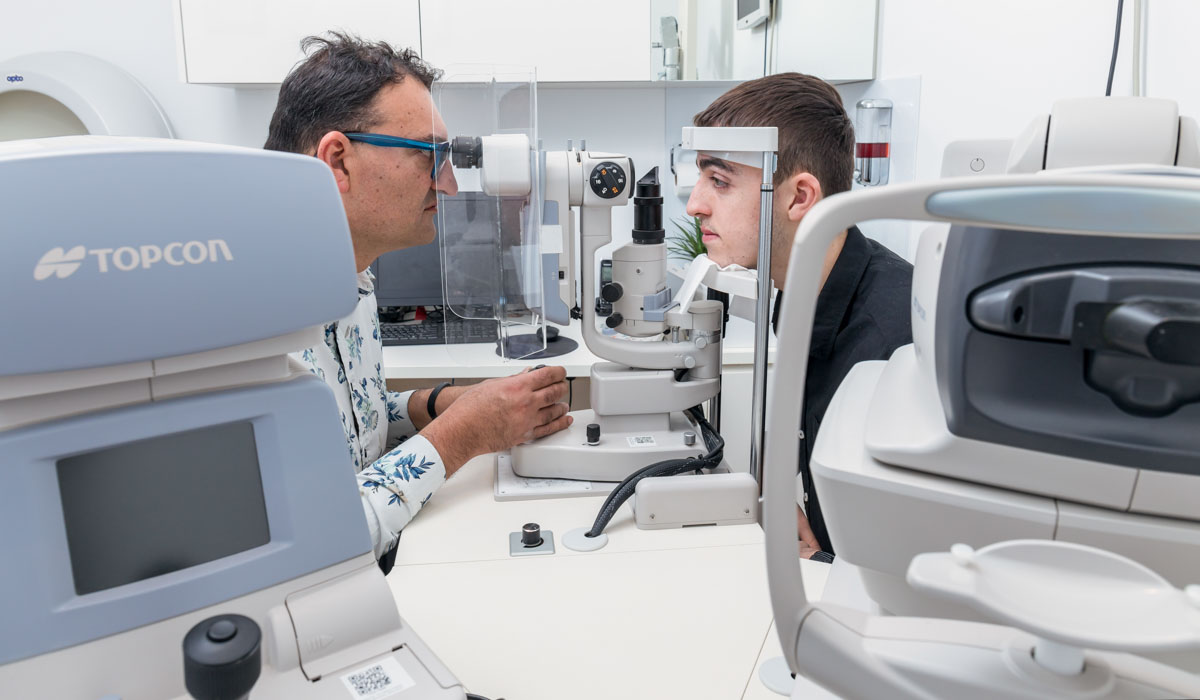
Book an appointment and we’ll assess the lids under a slit lamp, check for demodex, look at the state of your meibomian glands, and match the routine to what’s actually going on, not what the internet guessed.
Want Help Building The Right Routine For Your Eyes?
Eyelid hygiene is one of those things where the right routine depends on what’s actually happening on your lids. Book an appointment at our Central Coast practice and we’ll assess the lids, identify what’s driving the problem, and build a daily routine that matches, using the products we genuinely think will help.
Book An Appointment With Our Optometrists
FAQs
Do I Really Need To Clean My Eyelids Every Day?
If you have active blepharitis, MGD, recurring styes, or demodex, yes, daily cleaning is the foundation of treatment. For maintenance once things settle, three to four times a week is usually enough for most people. Your optometrist will tell you when to drop the frequency based on how the lids look on review.
What’s The Difference Between Blepharitis And Just Dry Eye?
Blepharitis is inflammation of the eyelids themselves, along the lash line. Dry eye is about the tear film not working properly. The two conditions overlap constantly, because blepharitis often blocks the meibomian glands and causes evaporative dry eye. Many patients have both at the same time, and treating the blepharitis usually improves the dry eye too.
Can I Use Baby Shampoo For Eyelid Hygiene Like Some Websites Recommend?
Baby shampoo was the standard recommendation years ago, but it’s largely been replaced by dedicated eyelid cleansers. Baby shampoo isn’t pH matched to the ocular surface, can disrupt the tear film, and doesn’t have any of the active ingredients that target bacteria or demodex. If budget is the only barrier, baby shampoo is better than nothing, but a proper lid cleanser is a better tool for the job.
How Long Before I Notice A Difference?
For most mild to moderate cases, patients start noticing their eyes feel less gritty and their lids look less red within two to three weeks of consistent daily cleaning. Severe cases, demodex, and chronic blepharitis take longer. Give it six to eight weeks of daily use before you judge whether a cleanser is working. Consistency matters more than intensity.
Are Demodex Mites Actually A Problem? They Sound Made Up.
They’re real and they’re on almost everyone. In small numbers they cause no problems at all. In larger numbers, especially if there are other factors like blepharitis or rosacea, they contribute to lid inflammation, itching, and recurring styes. We check for them during a clinical exam under the slit lamp. If you’ve got a demodex component to your lid problem, a dedicated demodex cleanser is usually the most effective treatment.
Can I Clean My Eyelids If I Wear Contact Lenses?
Yes, and you probably should. Contact lens wearers benefit from eyelid hygiene because lens wear can increase meibomian gland dysfunction over time. Clean your lids before you put your lenses in, not after, and let the lids dry completely before inserting.
This article is intended to promote understanding of and knowledge about general eye health topics.
It should not be used as a substitute for professional advice, diagnosis or treatment.
Always seek the advice of your health care professional prior to incorporating this as part of your health regimen.

Dr Nicholas Altuneg
Since graduating in 1993, my greatest passion has been helping people of all ages live improved lives through better vision. At Eyes by Design, vision is so much more than being able to see clearly or read small letters from far away; it determines your perceptions and reactions every second of the day.
Read more about Dr Nick


Our Vision Services
Get In Touch
Contact us today


