

Behavioural optometry is a specialised branch of vision care that goes beyond the traditional eye chart. It looks at how the visual system works as a whole, not just whether you can see clearly at distance or near.
Where standard optometry focuses on visual acuity (what most people think of as “20/20 vision”), behavioural optometry examines how your eyes move, focus, team together, and send information to the brain. It’s a more holistic approach that explores how vision affects everyday performance: reading, learning, concentration, coordination, and comfort during visually demanding tasks.
At Eyes By Design, our behavioural approach means we consider how your eyes function in everyday life, not just how they measure on a chart.

Why Vision Matters in Learning and Daily Life
Vision is far more than seeing clearly. It is a major part of how we interpret information. For children especially, vision is fundamental to learning. It’s estimated that around 80 % of classroom learning depends on vision, and unresolved vision issues can affect reading, writing, concentration, comprehension, and academic performance.
A child with undiagnosed visual challenges may experience:
- Headaches
- Eye strain
- Difficulty concentrating
- Avoidance of reading or close work
These symptoms can look like behavioural or learning difficulties, when the underlying cause is actually visual function, not intellect or effort.
Adults can also benefit from behavioural optometry. Many experience:
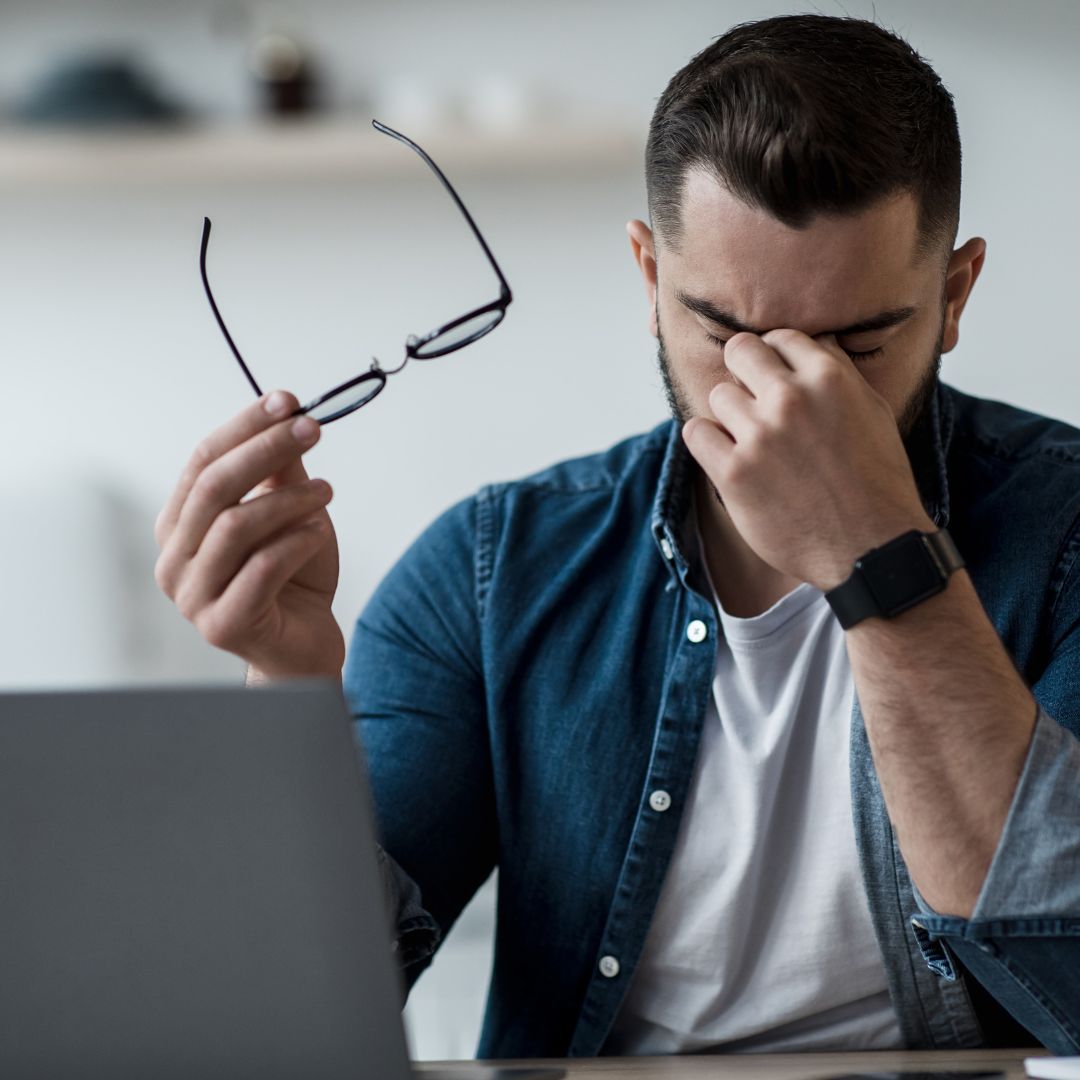
- Persistent eye strain
- Difficulty reading or focusing on screens
- Discomfort during extended tasks
- Inefficiency with visually demanding work
Behavioural optometry can help with these issues by looking deeper into how the visual system operates.

Signs to Look For
Here are common visual challenges that behavioural optometry addresses:
Visual Processing Difficulties
This refers to how the brain interprets what the eyes see. Signs can include:
- Trouble recognising letters or numbers
- Difficulty remembering visual information
- Challenges following written instructions
- Slower processing speed for reading tasks
These problems can make school and work more mentally exhausting.
Eye Tracking and Teamwork Problems
Smooth eye movement and coordination are essential for efficient reading and comprehension. Difficulty here can show up as:
- Words moving or blurring on the page
- Losing your place while reading
- Using a finger or guide to track lines of text
- Frequent fatigue or posture changes during reading
These symptoms make sustained reading or detailed work harder than it needs to be.
Visual‑Related Learning Challenges
When visual skills are inefficient, tasks like spelling or written expression may lag behind comprehension. Signs include:
- Letter or word reversals
- Poor writing organisation
- Inconsistent reading comprehension
- Distractibility when reading or copying from a board
Addressing these underlying visual skills can make learning more efficient and less frustrating.
The Role of a Behavioural Optometrist
Behavioural optometrists do more than measure clarity; they investigate how vision supports perception and performance.
Comprehensive Eye Exams
These exams evaluate:
- Eye movement and tracking
- Focusing flexibility
- Eye teaming and alignment
- Depth perception and binocular function
This assessment reveals if visual issues are affecting learning, reading or comfort.
Vision Therapy and Rehabilitation
Vision therapy is a personalised program of visual exercises designed to strengthen specific visual skills. Through guided activities, individuals can improve:
- Eye tracking and focusing
- Visual processing
- Hand‑eye coordination
Vision therapy is structured and progressive, tailored to each person’s needs.
Collaborating with Other Professionals
Behavioural optometrists often work alongside educators, occupational therapists, and other health professionals. This ensures that visual strategies are integrated into learning environments, therapy plans, and daily life routines for the best outcomes.
Common Conditions Behavioural Optometry Can Address
Amblyopia (Lazy Eye)
A condition where one eye is weaker because the brain favours the other eye. Behavioural optometry uses targeted therapies and visual training to strengthen the weaker eye and improve coordination.
Strabismus (Eye Misalignment)
Strabismus occurs when the eyes are not aligned correctly. Behavioural optometrists assess and treat this through vision therapy, lens strategies, and multidisciplinary support when needed.
Binocular Vision Disorders
These occur when the eyes don’t work together effectively. This can lead to:
- Eye strain
- Double vision
- Headaches
and reduced visual efficiency. Behavioural optometrists diagnose these issues and tailor therapy and lenses to improve teamwork between the eyes.
Benefits of Behavioural Optometry
Behavioural optometry offers benefits that go beyond standard eye care:
- Improved Academic Performance
By addressing visual barriers to learning, individuals can read more comfortably and process visual information faster. - Greater Visual Comfort
Reducing symptoms like eye strain and headaches makes daily tasks, from screens to reading, less fatiguing. - Boosted Confidence
Overcoming visual barriers can improve confidence, self‑esteem, and engagement in social and academic settings.
Behavioural optometry helps unlock potential by improving visual skills that may otherwise go unnoticed.

Frequently Asked Questions About Behavioural Optometrists
What is the difference between standard optometry and behavioural optometry?
Standard optometry focuses on visual clarity and prescription strength, while behavioural optometry assesses how the visual system functions as a team and how vision affects learning, reading, coordination, and performance.
At what age can a behavioural optometry assessment help?
People of all ages can benefit. Many children show early signs at school, but adults with chronic eye strain, reading discomfort, or visual inefficiency also respond well to behavioural assessment and therapy.
How long does vision therapy take?
Vision therapy is personalised and varies based on individual needs. Many people notice improvements within weeks, while comprehensive programmes can extend over months for deeper skill development.
Do behavioural optometrists treat conditions like lazy eye and strabismus?
Yes. Behavioural optometrists provide non‑surgical approaches to amblyopia and strabismus, often using vision therapy and specialised lenses to improve coordination and visual comfort.
How do I know if my child needs a behavioural optometry assessment?
If your child struggles with reading, avoids near work, shows frequent headaches or loses concentration easily, a behavioural assessment can reveal underlying visual skills that may be contributing to these challenges.
This article is intended to promote understanding of and knowledge about general eye health topics.
It should not be used as a substitute for professional advice, diagnosis or treatment.
Always seek the advice of your health care professional prior to incorporating this as part of your health regimen.

Dr Nicholas Altuneg
Since graduating in 1993, my greatest passion has been helping people of all ages live improved lives through better vision. At Eyes by Design, vision is so much more than being able to see clearly or read small letters from far away; it determines your perceptions and reactions every second of the day.
Read more about Dr Nick
What Others Are Reading:

Our Vision Services
Get In Touch
Contact us today


