
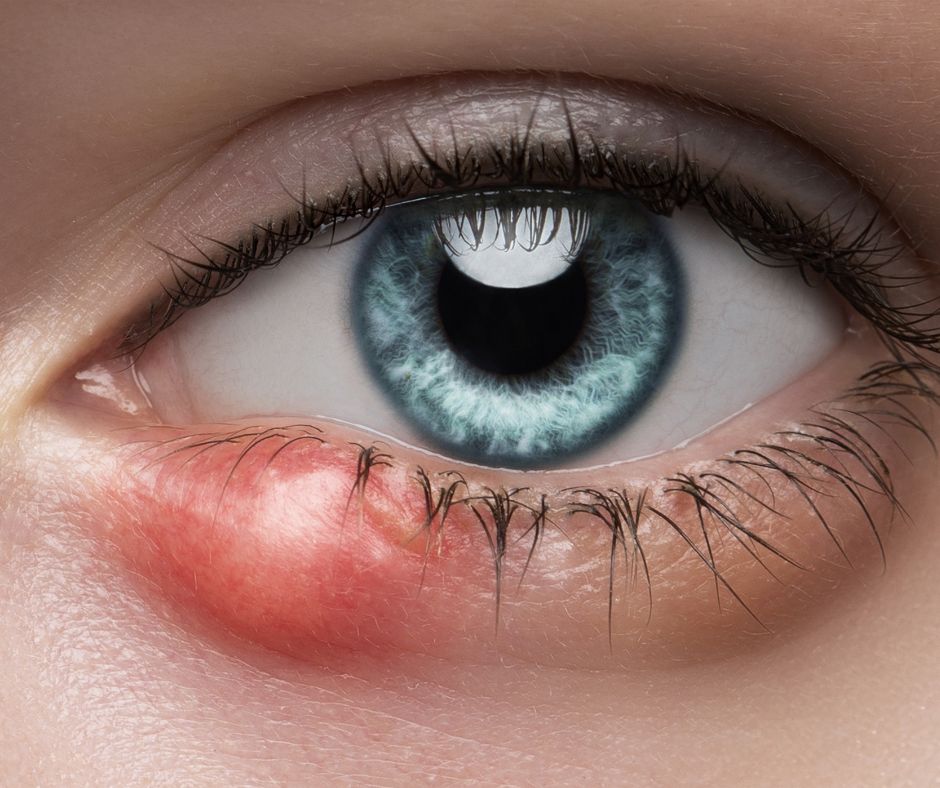
Eye Styes: What Causes a Stye, How to Relieve It at Home and When to See an Optometrist
A stye, also called a hordeolum, is a small, painful lump on the outside or inside of the eyelid. According to healthdirect, the government-funded Australian health information service, a stye is caused by a bacterial infection of an eyelash follicle, and a white spot in the middle of the lump can mean there is pus inside.
Most styes clear up on their own with simple home care.
What Causes an Eye Stye?
An eye stye starts when the follicle at the base of an eyelash becomes infected with bacteria. Healthdirect also describes the eyelid glands becoming blocked and then infected.
Blepharitis, a condition where the eyelids become inflamed, is one of the skin conditions that healthdirect says can increase your risk of getting styes. If you get styes often, ask your optometrist or doctor to check your eyelids for blepharitis or another underlying cause.
People often ask whether styes are caused by stress. Healthdirect names a bacterial infection of the eyelash follicle as the cause and does not list stress as a cause.
Symptoms of a Stye
The main sign of a stye is a small, tender lump on the eyelid that may look a different colour from the surrounding skin because of the swelling. Healthdirect says a stye can also make the eye feel irritated and watery, or feel as though something is stuck in it, much like an eyelash caught on the surface of the eye.
Other symptoms mean the stye needs a closer look. Healthdirect lists these as reasons to see a doctor:
- The stye is blocking your vision.
- The lump gets worse, or does not improve within a week or two of home care.
- The lump, or several lumps, become very large or very painful.
- A blister forms on the eyelid.
- The whole eyelid is red, or the eye itself is red.
- Your eye becomes sensitive to light or waters a lot.
- Another stye comes back soon after the last one cleared.
How Long Does a Stye Last?
A stye usually clears up by itself. Healthdirect notes that it may take up to six months for the lump to disappear fully. If the stye has not started to improve within a week or two of home care, that is the point to see a doctor.
How to Relieve a Stye at Home
Healthdirect says you can help the healing process by applying warm compresses to the eyelid.
Using a warm compress on a stye
Healthdirect suggests holding a clean, warm washcloth against your closed eyelid for two to five minutes at a time, up to 20 times a day. The water should be as warm as you can comfortably handle without burning your skin, and you can gently massage the eyelid while you hold the compress in place.
Cleaning the eyelid after a compress
You may notice some discharge after using a warm compress. Healthdirect recommends wiping it away gently with a clean, warm washcloth, and then washing or throwing out the washcloth or compress so that the infection is not spread.
Do not squeeze or pop a stye
It can be tempting to press on a stye, but healthdirect advises against touching, rubbing or squeezing it. Squeezing can push pus into the tissue next to the eye and cause the infection to spread further.
When a Stye Needs Medical Treatment
Sometimes a stye needs more than home care. Healthdirect explains that antibiotic ointment or oral antibiotics may be needed if the skin around the stye becomes red, warm and swollen, and that a doctor may need to drain a stye with a needle if it does not go away by itself.
The complication to watch for is cellulitis, where the infection spreads into the skin around the eye. Healthdirect describes cellulitis as rare but serious, and as a medical emergency that needs immediate treatment. If the skin on your eyelid or around your eye is red, swollen or painful, or you have a fever or feel generally unwell, see a doctor straight away.
How to Prevent Styes
Healthdirect recommends these steps to help prevent styes and avoid spreading an infection:
- Wash your hands often.
- Avoid touching, rubbing or squeezing your eyes.
- Clean or throw out your washcloth or warm compress after each use.
If you have blepharitis, looking after it can also help, because healthdirect lists blepharitis among the conditions that increase the risk of styes. The dry eye management page explains the eyelid cleaning and warm compress routines that can form part of dry eye management at Eyes by Design.
Eyelid Care Products for Styes and Blepharitis
Eyes by Design stocks several eyelid care products in its online store. The descriptions below come from each product page, so read the full product information and the manufacturer’s directions before you use any of them, and ask a health professional first if you have an existing eye condition or have had recent eye surgery.
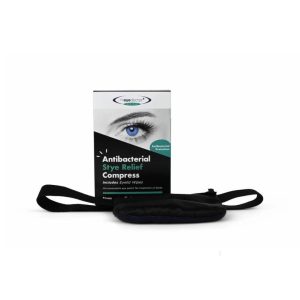
The Eye Doctor Antibacterial Stye Relief Compress: This microwavable single eye patch is designed for use on styes, chalazions and cysts. The manufacturer directs you to heat it in the microwave for 15 to 30 seconds and hold it over the affected eye for 10 minutes, and the compress can be reused more than 200 times.
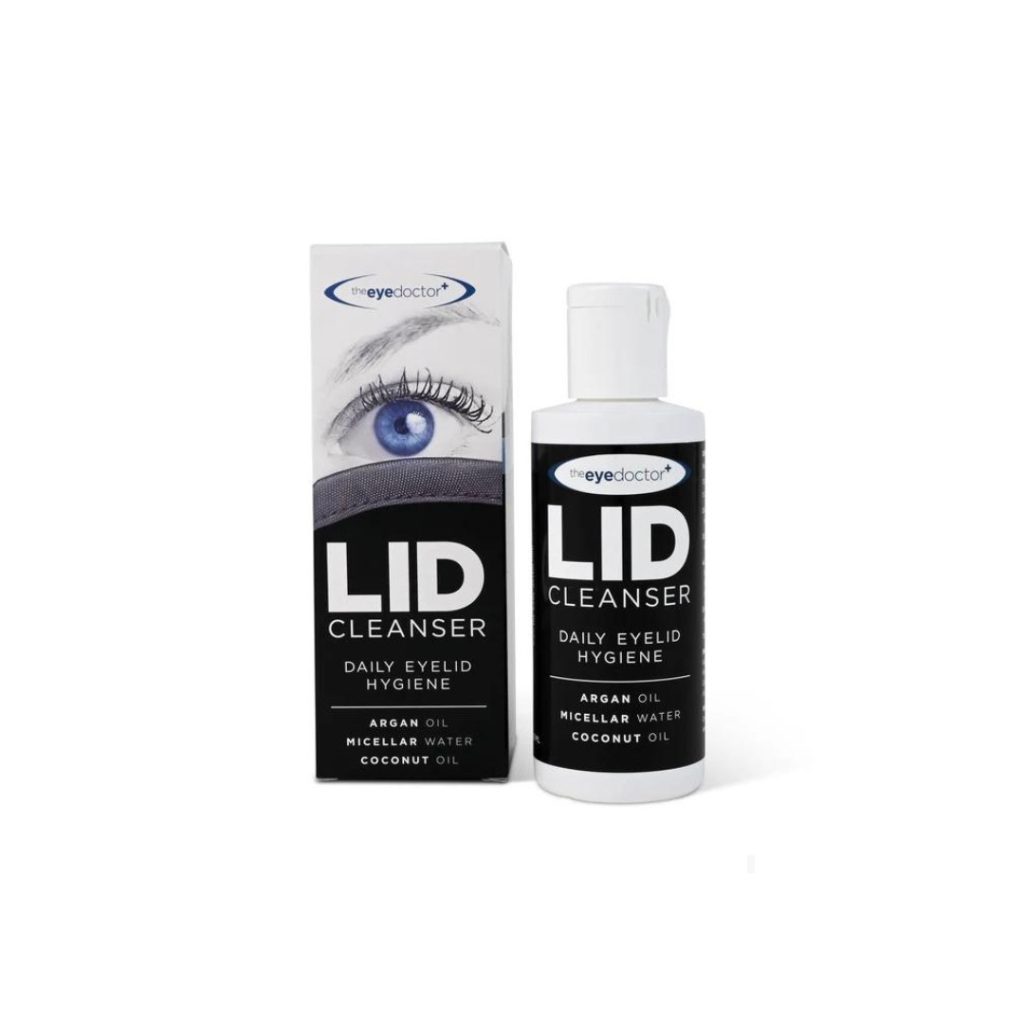
The Eye Doctor Lid Cleanser: This cleanser is made to remove dirt, debris and make-up from the eyelids and the base of the lashes. It is applied with a cleansing pad along the eyelid margins, morning and night.
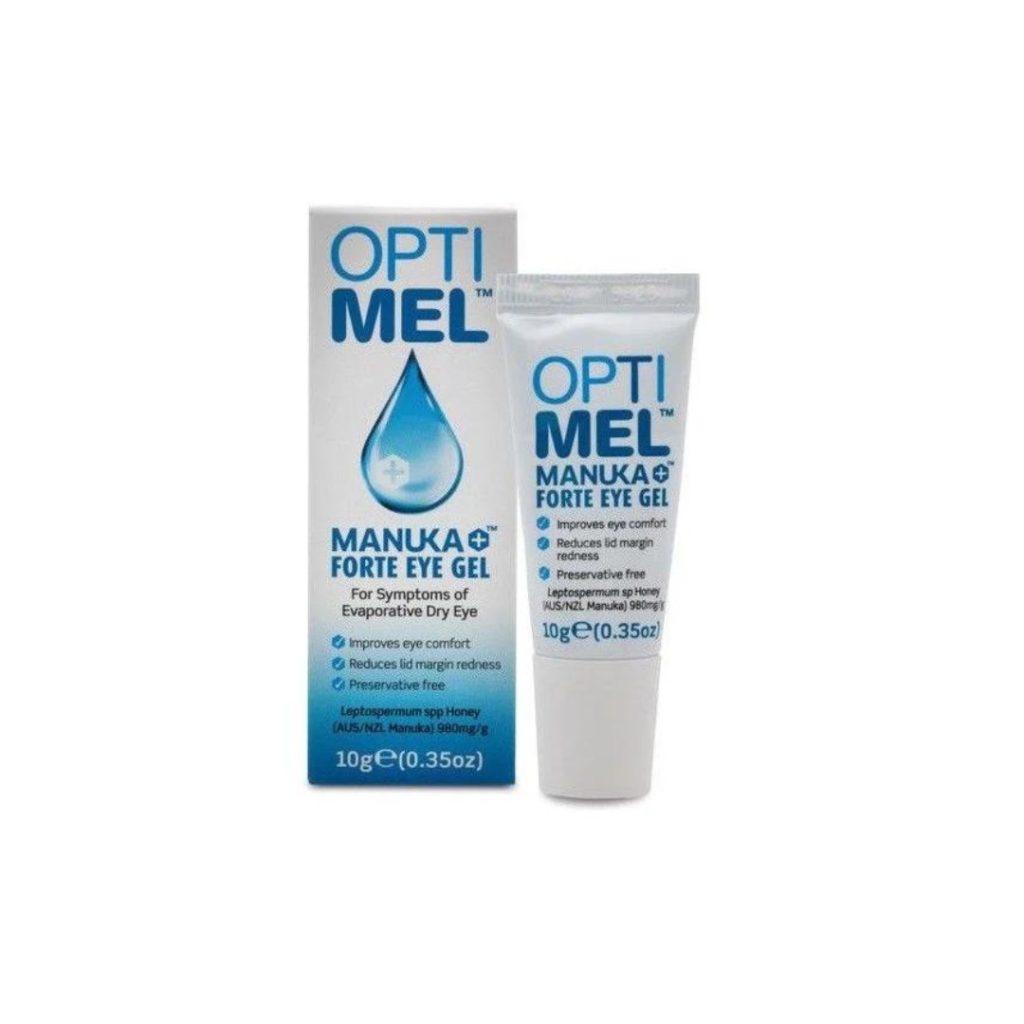
Optimel Manuka Forte Gel: This Manuka honey gel is described on its product page as offering relief for severe dry eye symptoms, blepharitis and eyelid inflammation. It is applied along the inside of the lower eyelid, and the product page notes that some stinging and redness when you first apply it is normal. The product page also says not to use it if you have a history of sensitivity to honey or benzoate compounds.
Two other lid care options in the store are OCuSOFT HypoChlor Spray, a hypochlorous acid spray applied to the eyelids and lashes with a cotton pad, and OCuSoft Lid Scrub Plus, a foaming eyelid cleanser for people with blepharitis and dry eye. Both product pages suggest using them alongside a warm compress and a lid cleanser.
Eye make-up for sensitive eyes
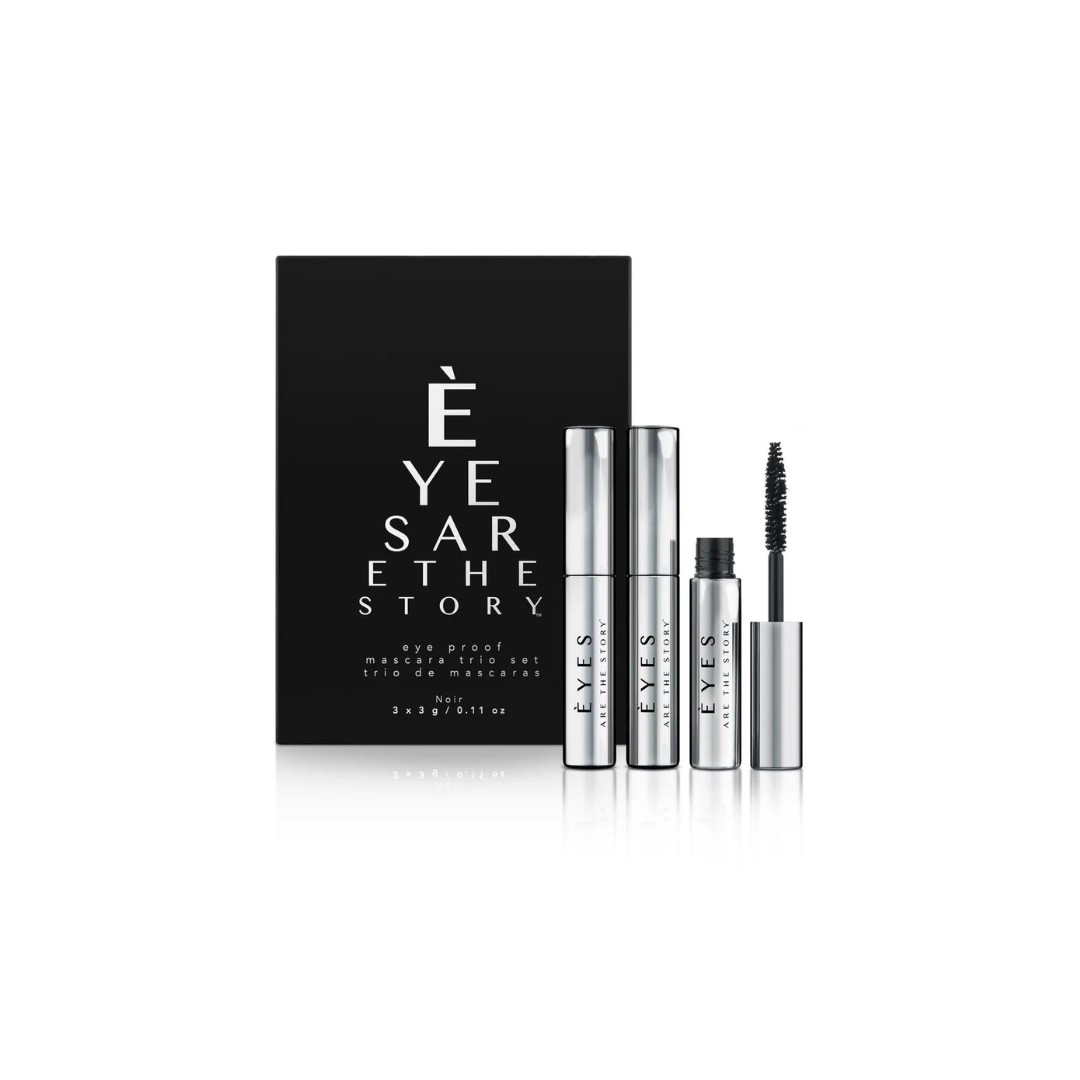
If you want to keep wearing make-up once your eyelid has settled, the Eyes Are The Story range includes a facial cleanser, a facial serum, a liquid liner and a mascara trio. The product pages state that the range does not contain synthetic dyes, fragrances or parabens, and the mascara comes as three mini tubes designed to help limit contamination and bacteria build-up on the wand.
When to See an Optometrist About a Stye
A stye that is improving with warm compresses usually needs nothing more. If you are not sure whether the lump on your eyelid is a stye, if styes keep coming back, or if your eye is also red, watery or sensitive to light, book an appointment so an optometrist can examine your eye and eyelid.
At Eyes by Design in Kincumber, the optometrists can examine the eyelid and the glands along it, check for dry eye or another eye condition that may be contributing, and refer you to your GP or another doctor if the stye needs antibiotics or draining. An adult eye examination also checks for other causes of eye irritation. You can contact the practice or call (02) 4369 8169 on weekdays between 9am and 5pm.
If the skin around your eye becomes red, swollen or painful, or you develop a fever, do not wait for an eye appointment. See a doctor straight away, because healthdirect describes this kind of spreading infection as a medical emergency.
Frequently Asked Questions About Eye Styes
How long does a stye take to go away?
Most styes clear up on their own. Healthdirect says the lump can take up to six months to disappear completely, but if the stye has not started to improve within a week or two of warm compresses and gentle cleaning, you should see a doctor.
Should I pop a stye?
No. Healthdirect advises against squeezing, rubbing or touching a stye, because squeezing can push pus into the tissue next to the eye and spread the infection. If a stye needs draining, a doctor does it with a needle.
How often should I use a warm compress on a stye?
Healthdirect suggests holding a clean, warm washcloth on the closed eyelid for two to five minutes at a time, up to 20 times a day. If you use a heated stye compress instead, follow the manufacturer’s directions for heating time and how long to hold it on the eye.
Source: healthdirect Australia, Stye, last reviewed May 2024, retrieved 30 September 2026. Product details are taken from the Eyes by Design online store product pages, retrieved 30 September 2026. This article is general information and does not replace advice from your optometrist or doctor.
This article is intended to promote understanding of and knowledge about general eye health topics.
It should not be used as a substitute for professional advice, diagnosis or treatment.
Always seek the advice of your health care professional prior to incorporating this as part of your health regimen.

Dr Nicholas Altuneg
Since graduating in 1993, my greatest passion has been helping people of all ages live improved lives through better vision. At Eyes by Design, vision is so much more than being able to see clearly or read small letters from far away; it determines your perceptions and reactions every second of the day.
Read more about Dr Nick


Our Vision Services
Get In Touch
Contact us today


