

If you’ve ever had sore, gritty, itchy or watery eyes, you’ve probably wondered whether it’s something you can manage yourself or whether it’s time to get help. One of the most common questions we hear at Eyes by Design is: “Do optometrists actually treat dry eye?”
Short answer: yes, and optometrists are often the best place to start. After more than 30 years in clinical practice, I’ve seen countless people spend months, even years, working through eye drops, home remedies and pharmacy suggestions without ever addressing what’s actually causing their symptoms. Dry eye is widely misunderstood. Most people think it’s simply a lack of tears, but it’s usually far more complex than that, and good treatment depends on finding the real cause.
Dry Eye Isn’t Always What People Think
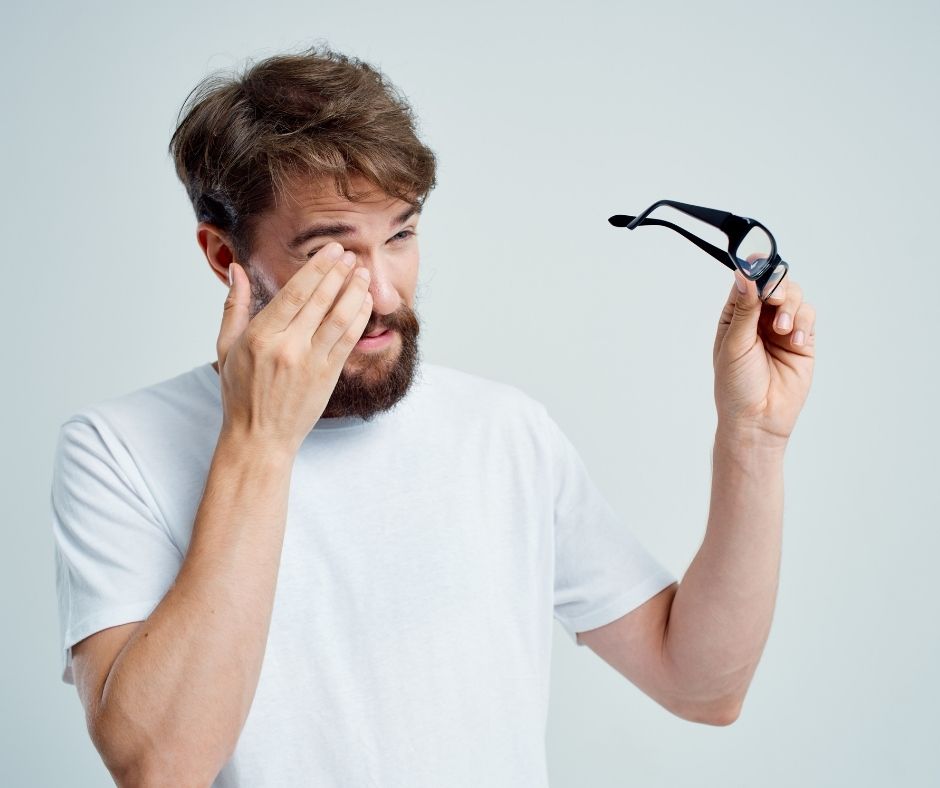
When people picture dry eyes, they imagine eyes that feel dry. The reality is often very different. The most common symptoms we hear about are sore eyes, a gritty or sandy feeling, itching, burning or stinging, blurred vision, tired eyes, and, surprisingly, excessive watering.
That last one catches people out. When the surface of the eye becomes irritated or dry, it can respond by flooding with reflex tears. The trouble is these tears are often poor quality and don’t fix the underlying problem, so people spend months treating watering eyes without realising dryness is the cause. You can read more on our dry eye page.
What Actually Causes Dry Eye?
There isn’t a single cause, which is part of what makes it confusing. In practice we usually find several factors stacking up at once.
- Ageing: the quantity and quality of our tears naturally change as we get older.
- Menopause: hormonal changes can significantly affect tear production, which is why so many women first notice symptoms in perimenopause and menopause (more on the dry eye and menopause connection).
- Screens: concentrating on a device drops your blink rate dramatically, so the tear film evaporates faster.
- Environment: air conditioning, heaters, wind, dust, pollen and low humidity all make symptoms worse.
- Contact lenses: can disrupt the tear film and increase evaporation.
- Eye surgery: procedures like LASIK can affect the nerves that regulate tears (see when LASIK leaves you with dry eyes).
The Most Common Cause: Eyelid Problems
The biggest surprise for most people is that dry eye is often not primarily a tear problem at all. In my experience, most cases involve the meibomian glands, tiny glands along the eyelid margins that produce the oils forming the outer layer of your tear film. Their job is to slow evaporation. When they become blocked, inflamed or stop working properly, tears evaporate far faster than they should. This is commonly called meibomian gland dysfunction or blepharitis, and it’s one of the most common causes of chronic dry eye. It’s also why eyelid hygiene matters so much.
The Hidden Link Between Dry Eye And Binocular Vision
This is something many dry eye articles completely miss. Reduced blinking during screen use certainly plays a part, but it isn’t always the whole story. Sometimes the symptoms people blame on dry eye are actually being driven by a binocular vision problem, the eyes struggling to work together, hold focus or track across a page, forcing the visual system to work much harder than it should.
That can create sore, tired eyes, strain, watering, blurred vision and discomfort during reading or prolonged screen use. I’ve seen many patients over the years who were sure they had dry eyes when a big part of the problem was an eye-teaming or focusing issue, and once that was identified and treated, often with the right glasses, their symptoms improved significantly. Sometimes it’s dry eye, sometimes it’s binocular vision, and sometimes both. That’s exactly why a proper assessment matters.

Why Eye Drops Alone Often Don’t Work
One of the biggest mistakes is assuming dry eye treatment begins and ends with lubricating drops. Drops can help, but they often treat the symptom rather than the cause, and many provide only short-lived relief before symptoms return. If you’re reaching for drops several times a day without lasting improvement, it’s usually a sign the underlying cause hasn’t been addressed, a bit like a band-aid over a wound that needs proper treatment. (We compare options in the best eye drops for dry eyes.)
Effective treatment depends on the cause. For many people it focuses on eyelid and meibomian gland health, and depending on the findings may include:
- Lubricating or lipid-based eye drops
- Eyelid hygiene and lid cleansers
- Heat masks (see how heat packs help lubricate dry eyes)
- Omega supplements
- Moisture chamber sleep masks
- Prescription medications
- Environmental changes
- Binocular vision management where appropriate
After 30 years, one of my guiding principles is simple: why do ten things if three will do? The best plan targets the specific cause while staying practical and sustainable.
Why Proper Heat Masks Matter
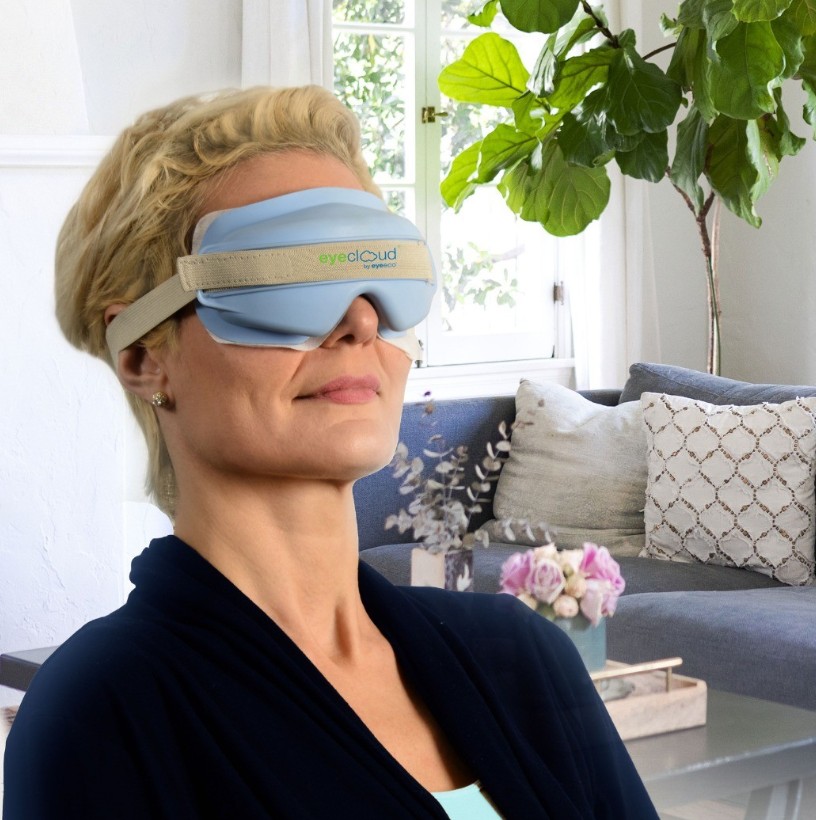
Many people try to manage dry eye with a hot face washer or a homemade heat pack. A face washer holds heat for a minute or two at most, but effective treatment needs sustained heat. Homemade packs can apply heat for longer, but it’s dry heat, less effective than moist heat, and they tend to collect bacteria from the eyelid margins, so they need replacing often. Proper treatment uses moist heat for long enough to soften the oils in the glands and help them flow, which is why I recommend commercial-grade products such as the Eyecloud, TranquilEyes XL or Eye Doctor compress.
What Happens During A Dry Eye Assessment?
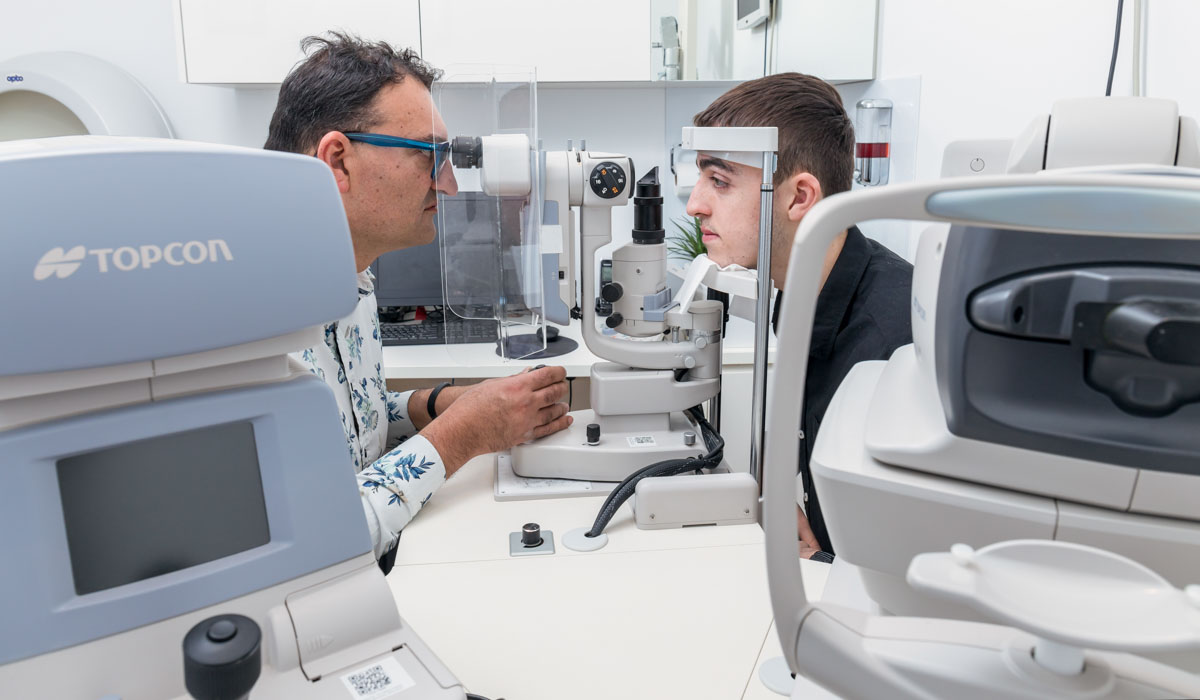
A big advantage of seeing an optometrist is that we can usually pinpoint the cause far faster than trial-and-error at home. During an assessment we examine the quality and stability of your tear film, your eyelid health and meibomian gland function, the health of your cornea, and any signs of inflammation or infection. We often place a fluorescein dye in the eye to see how stable the tear film is, how quickly it evaporates, and whether the surface has been damaged.
Why Start With An Optometrist?
Many people first see a pharmacist or GP when symptoms appear. Both play important roles, but neither usually has the specialised equipment, slit lamp microscopes, diagnostic dyes, tear film assessment tools, to fully evaluate the tear film, eyelids and ocular surface. Most importantly, we can work out what’s actually causing the symptoms: dry eye, allergy, inflammation, infection or a binocular vision problem, each needs a different approach. For most dry eye sufferers an optometrist is the ideal starting point, because we can identify the cause, start treatment and refer to an ophthalmologist if more advanced care is needed.
Frequently Asked Questions
Do optometrists treat dry eye?
Yes. Optometrists are often the best place to start. We have the equipment to assess your tear film, eyelids and ocular surface, identify the underlying cause, begin treatment, and refer on to an ophthalmologist if more advanced management is required.
Can watering eyes really be a sign of dry eye?
Yes, and it surprises a lot of people. When the eye’s surface is irritated or dry it can produce a flood of poor-quality reflex tears. Many people treat watering eyes for months without realising dryness is the underlying cause.
Why don’t my eye drops fix my dry eye?
Drops often treat the symptom rather than the cause, so relief is usually short-lived. If you’re using them several times a day without lasting improvement, it generally means the underlying cause, often eyelid and meibomian gland health, hasn’t been addressed.
What are the most common causes of dry eye?
Ageing, hormonal changes around menopause, screen use, dry or air-conditioned environments, contact lenses and some eye surgery all contribute. The single most common cause is meibomian gland dysfunction, the eyelid glands that keep tears from evaporating too quickly.
When should I see an optometrist about dry eye?
If you’re using drops regularly without lasting relief, or you have persistent soreness, watering, blurred vision, recurrent styes, redness or burning, it’s time for an assessment. Left untreated, dry eye can progress to more significant surface damage.
You Don’t Need To Suffer With Dry Eye
The most important message I can give you is that dry eye is treatable. Too many people accept sore, irritated or watery eyes as just part of life. In reality, the right diagnosis often leads to the right treatment surprisingly quickly, many patients notice meaningful improvement within the first week or two of a targeted plan. If you’re on the Central Coast and you’ve been battling dry eye, book a proper assessment with us at Eyes by Design in Kincumber. Book an appointment or call (02) 4369 8169.
This article is intended to promote understanding of and knowledge about general eye health topics.
It should not be used as a substitute for professional advice, diagnosis or treatment.
Always seek the advice of your health care professional prior to incorporating this as part of your health regimen.

Dr Nicholas Altuneg
Since graduating in 1993, my greatest passion has been helping people of all ages live improved lives through better vision. At Eyes by Design, vision is so much more than being able to see clearly or read small letters from far away; it determines your perceptions and reactions every second of the day.
Read more about Dr Nick


Our Vision Services
Get In Touch
Contact us today


